
You should know that event and festival generators help your outdoor event go well. When you plan events outside, you need a good power source. Power failures can mess up an event, so you want a generator that gives steady and quiet power. With advanced backup power from SR, your generator will turn on right away, keeping your equipment safe. Outdoor event generators protect important gear and help you stop problems. These generators help events by giving power for lights, sound, and other things. You can trust generators for outdoor events to give steady power every time.
Key Takeaways
- Pick the right generator size by adding up all wattage needs. Always add 20% more for safety.
- Choose generators based on your event type. Portable generators are good for small events. Standby generators are better for big, fixed places.
- Use inverter generators if you want less noise. They change speed to save fuel and make less sound. This helps guests enjoy the event more.
- Plan your power setup with care. Keep generators away from walkways. Make sure all connections are safe to stop accidents.
- Always have a backup generator ready. This keeps your event running if the main generator stops working.
Why Event and Festival Generators Matter
Power Needs for Events
You want your festival to shine, whether you’re planning a wedding, a food festival, or a big outdoor concert. Generators for events play a huge role in making that happen. You need to think about all the power needs for your festival. Stages, lighting, vendors, and even food stalls all need reliable power sources. If you forget about power, your event can stop in its tracks.
Here’s a quick look at common power needs for large festivals and events:
| Component | Power Requirement |
|---|---|
| Stages and Audio/Visual | 250–400 kW or more for main stages |
| Vendors and Food Stalls | 2 kW to 10 kW or more per vendor |
| Site Lighting and Effects | Substantial load for extensive lighting |
| Utilities and Operations | Varies, but essential for operations |
| Margin for unexpected needs | 20–30% extra above calculated needs |
You see, every outdoor festival or wedding needs enough generators to cover all these areas. If you have a food festival, you’ll need extra power for vendors who cook on-site. Concerts need even more power for sound and lights. When you plan for all these needs, you keep your festival running smoothly.
Benefits of Reliable Backup Power
Generators for events do more than just keep the lights on. They protect your festival from sudden outages. With SR’s backup power solutions, you get peace of mind. You know your outdoor event will not stop because of a power problem.
Here’s why reliable backup power matters for your festival:
- It keeps essential services running, even during emergencies.
- It helps vendors keep serving food and drinks at your food festival.
- It prevents panic and keeps your guests calm.
- It supports communication and safety teams at concerts and festivals.
- It makes sure your wedding or festival stays on schedule.
You want your guests to have a great experience. Generators for events help you do that. You also protect your vendors and staff. When you use the right power sources, you make your festival safer and more fun for everyone. SR’s expertise means you get a system that fits your event, no matter the size or location.
Types of Generators for Events
Portable and Standby Options
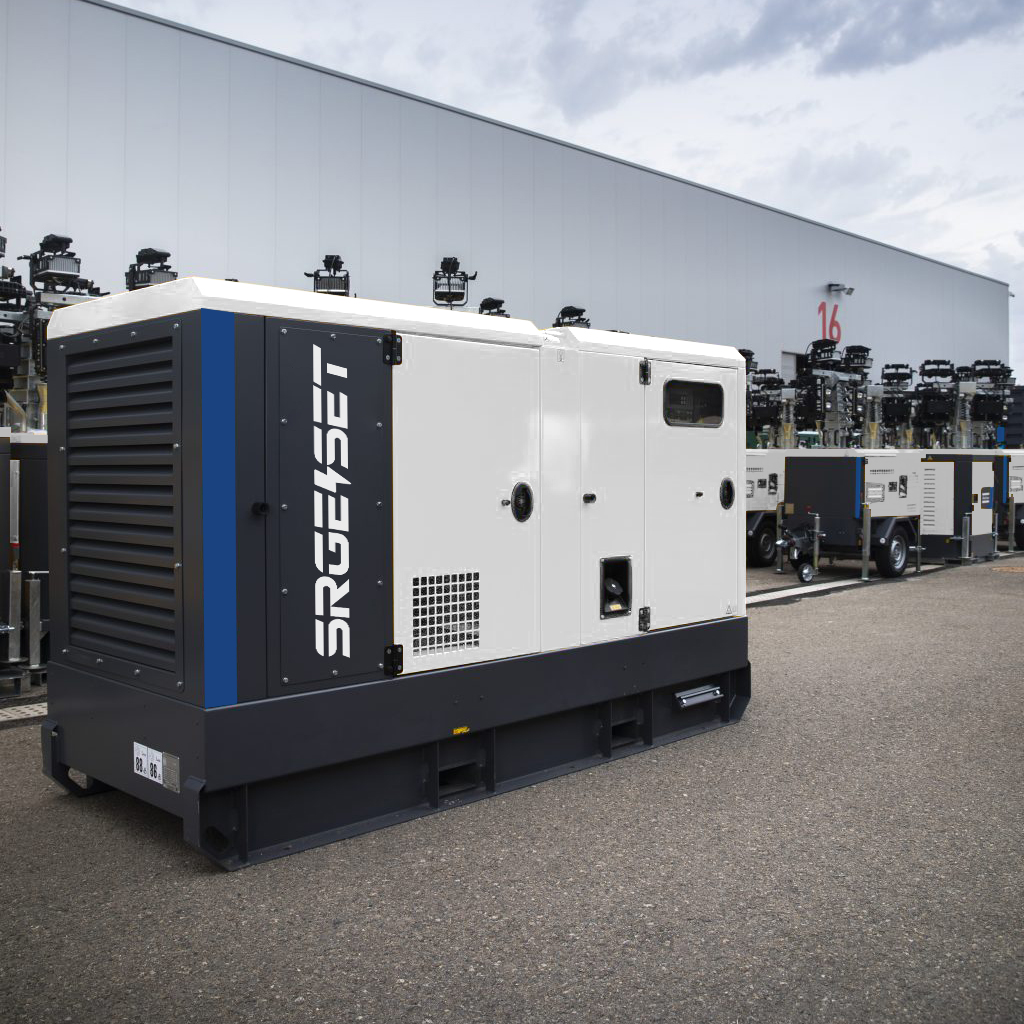
You can pick from different generators for events. Portable generators are simple to move. You can use them in many places outside. They work well for festivals and concerts. You roll them out and connect your gear. Then you start your event. Portable generators are good for setups that do not last long.
Standby generators are not the same. You put them in one spot. They give backup power to important services. If the main power stops, standby generators turn on by themselves. You do not need to set them up each time. Standby generators are best for places that need power all the time.
- Portable generators are best for outdoor and moving events.
- Standby generators keep important things running at fixed spots.
- Portable generators need you to set them up, but standby generators connect right to the power system.
Inverter and Sustainable Generators
You want your event to be quiet and use less energy. Inverter generators help with this. They change their engine speed when needed. This saves fuel and makes less noise. You get clean power that is safe for things like sound systems and lights.
Sustainable generators use cleaner fuels or renewable energy. They make less pollution and help the planet. You can pick solar-powered or hybrid systems for your festival.
| Feature | Inverter Generators | Conventional Generators |
|---|---|---|
| Fuel Efficiency | Uses less fuel, changes speed as needed | Uses more fuel, keeps same speed |
| Emissions | Makes less pollution | Makes more pollution |
| Noise Level | Runs quietly | Runs loudly |
| Power Quality | Gives clean power | Power may not be as steady |
Tip: If you want a quiet event, inverter generators are a good choice.
Fuel Types: Diesel, Gas, Propane
You need to pick the best fuel for your event generator. Diesel generators are strong and use fuel well. They are good for big festivals that need lots of power. You must take care of them often, and they can be loud.
Propane generators work cleanly and need less care. They cost more for fuel, but last longer. Natural gas generators are cheap and easy to use. They need utility lines, so check if your event site has them.
| Generator Type | Advantages | Disadvantages |
|---|---|---|
| Diesel | Strong, uses fuel well, good for big power needs | Loud, needs care, makes dangerous fumes, heavy and hard to move |
| Propane | Works cleanly, needs little care | Costs more for fuel, still makes pollution |
| Natural Gas | Easy to use, cheap, gives steady power | Needs utility lines, makes carbon dioxide and other pollution |
You can choose the fuel type that fits your event. Portable generators often use gasoline or propane. This makes them easy to move and set up. You get steady power and flexibility for your festival.
Sizing Your Generator
You want your outdoor event to run smoothly. Picking the right generator size is one of the most important steps. If you choose a generator that is too small, your equipment might shut down. If you pick one that is too big, you waste fuel and money. Let’s break down how you can size your generator for events.
Calculating Power Requirements
You need to know how much power your outdoor event will use. Start by making a list of everything that needs electricity. This includes lights, speakers, food trucks, and even charging stations. You can find the wattage for each item on the product label. If you don’t see it, multiply the volts by the amps to get the wattage.
Here’s a simple way to figure out your total power needs:
- Write down every piece of equipment for your event that needs power.
- Find the wattage for each item. Check the label or use the formula: volts × amps = watts.
- Add up all the wattages to get your total power load.
- Add at least 20% extra to cover startup surges and unexpected needs.
Tip: Don’t forget to include things like outdoor lighting, sound systems, and vendor equipment. These can use a lot of power during events.
You can use a table to organize your list:
| Equipment | Wattage (W) |
|---|---|
| Stage Lighting | 2,000 |
| Sound System | 1,500 |
| Food Truck | 3,000 |
| Vendor Booths | 800 |
| Charging Stations | 400 |
| Total | 7,700 |
Now, add your safety margin. If your total is 7,700 watts, multiply by 1.2. Your generator should handle at least 9,240 watts.
Allowing for Peak Loads and Safety Margins
Events often have moments when power use jumps. Maybe all the lights turn on at once, or vendors start their equipment together. You need your generator to handle these peak loads. If you don’t plan for this, your outdoor event could lose power at the worst time.
Here’s what you should do:
- Add a safety margin of 20–25% to your peak wattage.
- If your event needs 12,000 watts at peak, aim for a generator that can supply 15,000 watts.
- Reserve capacity helps your generator run smoothly and keeps your event safe.
Note: It’s smart to size your generator for the highest possible load, not just the average. This keeps your outdoor event running without interruptions.
You can use this formula for quick sizing:
Target Generator Size = Peak Wattage × 1.25
If your event has a peak load of 10,000 watts, your generator should be rated for 12,500 watts. This gives you room for extra equipment and keeps your power stable.
You want your events to be reliable. When you size your generator correctly, you avoid outages and keep everything running. Outdoor events need careful planning, and the right generator makes all the difference.
Choosing Generators for Events
Matching Generator to Event Scale
You want your outdoor event to go well. Picking the right generator is very important. First, think about how big your event is. A small wedding or birthday outside may only need one portable generator. Big events, like music festivals or sports games, often need more than one generator to give enough power.
Here are some easy tips to help you choose:
- Write down all the things that need power.
- Add up the total watts you will use.
- Pick a generator with extra power for safety.
- For big events, use more than one generator in different spots.
If you pick the wrong generator, problems can happen. Look at this table to see mistakes and how to avoid them:
| Mistake | Explanation |
|---|---|
| Choosing the wrong generator size | Not enough power can stop your event. Always add up your total needs. |
| Placing the generator on uneven ground | This can cause spills or accidents. Use a flat, steady surface. |
| Using low-quality fuel | Bad fuel can hurt your generator and make it work worse. |
| Ignoring maintenance | Skipping checks can make your generator fail during your event. |
Considering Noise, Mobility, and Efficiency
Noise is important at outdoor events. You want people to hear music or speeches, not the loud sound of a generator. Many planners now use silent generators. At the Green Energy Music Festival, using silent generators made noise complaints go down by 40%. More people were happy, and satisfaction went up by 15%. The International Conference on Sustainability also had better talks with less noise.
“Using silent generators at our events has made things better for everyone. Less noise means people can talk and listen more easily. It feels more professional.” – Jane Doe, Event Coordinator
Moving generators is also important. Sometimes you need to move them around your event space. Portable generators are easy to move. For big events, you might need generators you can tow or roll.
Efficiency helps you save fuel and is better for the planet. Silent generators can cut carbon dioxide by about 20% compared to regular ones. This makes your event greener and saves money on power.
Picking the right generator means thinking about size, noise, moving it, and how well it works. If you get these things right, your event will go smoothly and guests will have fun.
Event Power Distribution Planning
Designing Safe Power Layouts
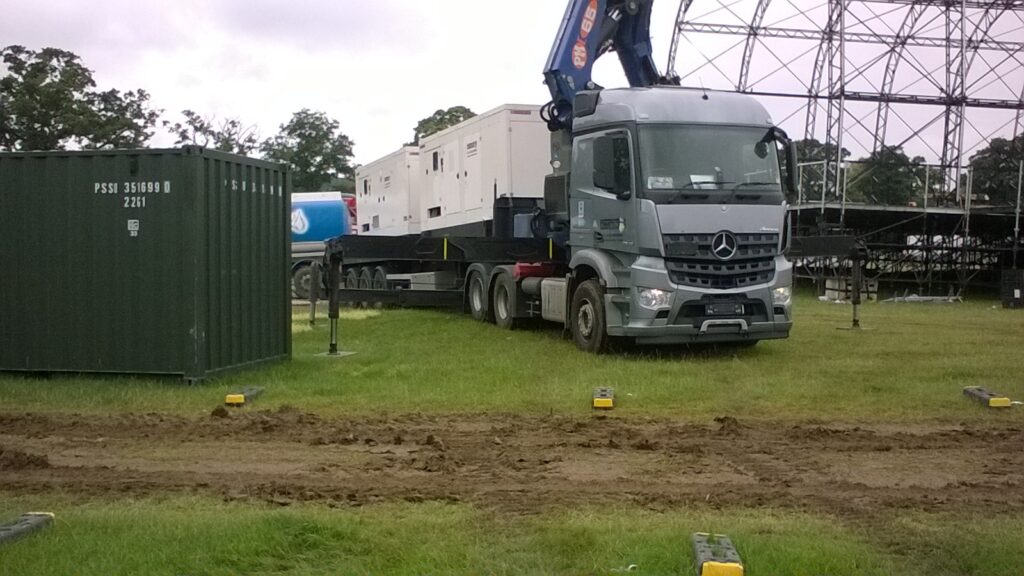
You want your event to work well. Safe event power starts with a good plan. You must know where each generator goes. You also need to know how you connect every piece of equipment. If you set up your power right, you stop overloads and keep people safe.
First, draw a map of your event site. Mark where you put generators, stages, booths, and lights. Draw lines to show where cables run. Keep cables away from walkways and water. Use covers so people do not trip and wires stay dry.
Here are some smart ways to keep event power safe:
- Put generators on flat, dry ground.
- Keep panels close to the equipment they power.
- Use covers that protect outdoor connections from weather.
- Label every cable and outlet so you know what it powers.
- Make sure your system follows local safety rules.
Tip: Test your event power before guests come. You can find problems early and fix them fast.
SR’s power solutions help you make safe plans. Their team can build a plan for any event. You get expert help and systems that fit your needs.
Managing Multiple Zones and Loads
Big events have many zones. You might have a main stage, food area, VIP lounge, and parking lot. Each zone needs its own event power plan. You must balance loads so no generator gets too much work.
Split your event into zones. Give each zone a generator. Figure out how much power each area needs. If loads change, like a stage with bright lights or a busy food zone, plan for extra power.
Here’s a table that shows how power needs can change and why you must plan well:
| Key Insights | Description |
|---|---|
| Power Demand Growth | Big events can use more power fast, like datacenters with AI. |
| Fluctuating Loads | Loads change quickly, especially with lights and sound at outdoor events. |
| Need for New Framework | You need a smart plan to handle changes and keep your event stable. |
You can use panels to split power between zones. If you connect too much to one generator, you might lose power. Spread the load and use backup generators for important areas.
SR’s event power systems help you manage many zones easily. Their team can build a custom plan for your event. You get steady power, even when loads change fast.
Note: If you think you will need more power, add extra generators or reserve power. You keep your event safe and stop interruptions.
Here’s a simple checklist for managing event power across zones:
- List all zones and their power needs.
- Give each zone a generator.
- Use panels to split loads.
- Watch power use during the event.
- Have backup generators ready for emergencies.
You make your outdoor events safer and more reliable when you plan your event power well. SR can help you build your system for any event, big or small.
Safe Generator Setup and Operation
Site Preparation and Placement
You want your outdoor event to go well. First, get the site ready for your generators. Put each generator on a flat, dry spot. Concrete pads or skid mounts are best. Leave three to four feet of space around each generator. This space helps with cooling and lets air move. It also makes it easy to fix or check the generator. Keep fuel lines and exhaust pipes clear. Always look at local rules before you set up. Good site prep keeps your event safe and stops power problems.
- Keep generators away from walkways and water.
- Use covers to block noise and bad weather.
- Make sure you can get to the generator for checks.
- Plan for more power and easy refueling later.
Weather Protection and Ventilation
Weather can change fast at outdoor events. Use waterproof covers or tents that let air move. This keeps the generator dry and safe. Store fuel in a safe place. Put generators at least 20 feet from buildings. This helps stop carbon monoxide from building up. Never use generators inside or in closed spaces. Use carbon monoxide alarms for extra safety. Pick strong covers that meet NFPA rules. Good airflow keeps your power system working well.
Tip: Check the weather before your event. Bring extra covers and supplies for rain or wind.
Electrical Safety and Grounding
Electrical safety is important at every event. You must ground your generators to stop shocks and protect your gear. There are different ways to ground generators. Here is a quick look:
| Grounding Method | Key Features |
|---|---|
| Direct Earth Grounding | Simple wire to earth, easy for outdoor events. |
| Impedance Grounding | Reduces shock and damage during faults. |
| Low Impedance Grounding | Limits fault current, lowers arcing risks. |
| High Impedance Grounding | Needs detection system, limits currents. |
| Compensated Grounding | Uses reactor, very low fault currents. |
| Hybrid Grounding | Combines benefits, protects generators during faults. |
Follow local rules like UL 2201 and PGMA G300-2018. These rules keep your event safe and power steady. Always label cables and outlets. Teach your team how to handle emergencies and turn off generators fast if needed.
Safety first! Test your power system before your outdoor event starts.
Managing Generators During Events
Monitoring and Troubleshooting
You want your outdoor event to run without a hitch. That means you need to keep an eye on your generators the whole time. You can use smart tools to help you. Some monitoring tools let you check generator status from your phone or a control panel. Others even let you start or stop generators from far away. Here’s a quick look at some handy tools:
| Monitoring Tool | Features |
|---|---|
| WiFi Monitoring | Shows generator status on your network |
| Remote Start/Stop | Lets you control generators from a distance |
| Lite Generator Monitoring | Tracks GPS, battery, and digital inputs |
| Pro Generator Monitoring | Adds fuel level and remote start/stop features |
You should check a few things often during your outdoor events:
- Look at coolant levels so your generators do not overheat.
- Make sure you have enough fuel for the whole event.
- Check the battery for charge and clean off any corrosion.
If you spot a problem, act fast. If a generator gets too hot, turn it off and let it cool. If you see low fuel, refill before it runs out. Always keep a toolkit nearby for quick fixes. You can stop most issues before they turn into big problems.
Emergency Procedures
Sometimes, things go wrong at outdoor events. You need a plan for emergencies. Write down what to do if a generator fails. Make sure your team knows the plan and can find it fast. Here are some steps you should follow:
- Set up a policy for handling generator failures.
- Keep extra fuel ready and test it often.
- Train your staff to check oil and coolant every year.
- Test your emergency plan with practice runs.
- Track what you do and keep notes on any problems.
You should also brief your team about fuel quality and how to spot bad fuel. Always know how much power your generators can give. If you follow these steps, you can keep your outdoor event safe and powered, even if something unexpected happens.
Tip: Practice your emergency plan before your event. This helps everyone stay calm and act quickly if there is a problem.
Tips for Quiet and Efficient Operation
Reducing Noise at Events
You want your outdoor event to be fun and relaxing. Loud generators can bother guests and make it hard to hear music or people talking. There are some easy ways to keep things quiet and still have enough power.
- Move generators farther away from where people gather. If you double the distance, the noise drops by about 6 decibels.
- Put anti-vibration mounts under your generators. These mounts stop shaking and help lower the noise.
- Use fences or walls as sound barriers. These can block noise and make your event at least 10 decibels quieter.
- Add sound-absorbing materials inside the generator covers. This helps soak up extra noise.
- Use attenuators. These let air move but keep noise down, sometimes by as much as 85 decibels.
Tip: Walk around your event before it starts. Listen for loud spots and change your setup if you need to.
Maintenance and Fuel Management
You want your outdoor event to go well from start to finish. Taking care of your generators keeps them working and your power steady. Always check oil, coolant, and filters before your event starts. Keep fuel tanks full and plan to add more fuel during quiet times, like early morning or between shows.
- Have a trained person watch fuel levels and refill when needed.
- Plan to refuel when fewer people are around so you do not interrupt the event.
- Keep backup generators ready in case one stops working.
- After your event, check all generators. Look at the engine, fuel system, and electrical parts. Write down what you find and fix any problems.
You can trust your outdoor event will have power if you follow these steps. Good care and smart fuel use help you avoid problems and keep your guests happy.
Start planning your power needs early for a great event. Pick generators that match your venue and event type. Think about fuel, noise, and how easy it is to move them. Ask experts like SR for help to keep things safe and reliable. Use backup systems and smart ways to share power. Checklists help you remember each step, from start to finish. If you use these tips, your event will go well.
| Phase | Checklist Items |
|---|---|
| Planning | Make a list of venues, sign contracts, get budget approval, set the schedule, and plan marketing |
| Event execution | Count people, follow the show plan, talk to staff, and confirm vendors |
| Wrap-up | Send invoices, say thank you, write reports, give surveys, and have a meeting after the event |
FAQ
What size generator do I need for my event?
Add up the wattage for all your equipment. Always choose a generator with extra power. This keeps your event safe. If you are unsure, ask an expert. You can also use a sizing calculator.
Can I use event and festival generators indoors?
No, you should never use generators inside. They make fumes that are dangerous. Always put generators outside in a place with good airflow.
How do I keep my generator quiet during an event?
Move your generator farther from guests. Use covers or sound barriers to block noise. Pick inverter or silent models for less noise. These steps help your event stay peaceful.
What fuel is best for event and festival generators?
Diesel, propane, and natural gas are common fuels. Diesel is good for big events. Propane is cleaner. Choose the fuel that fits your event and is easy to get.
Do I need a backup generator for my event?
Yes, having a backup generator helps you worry less. If your main generator stops, the backup keeps your event running.