
What Is an Emergency Diesel Generator
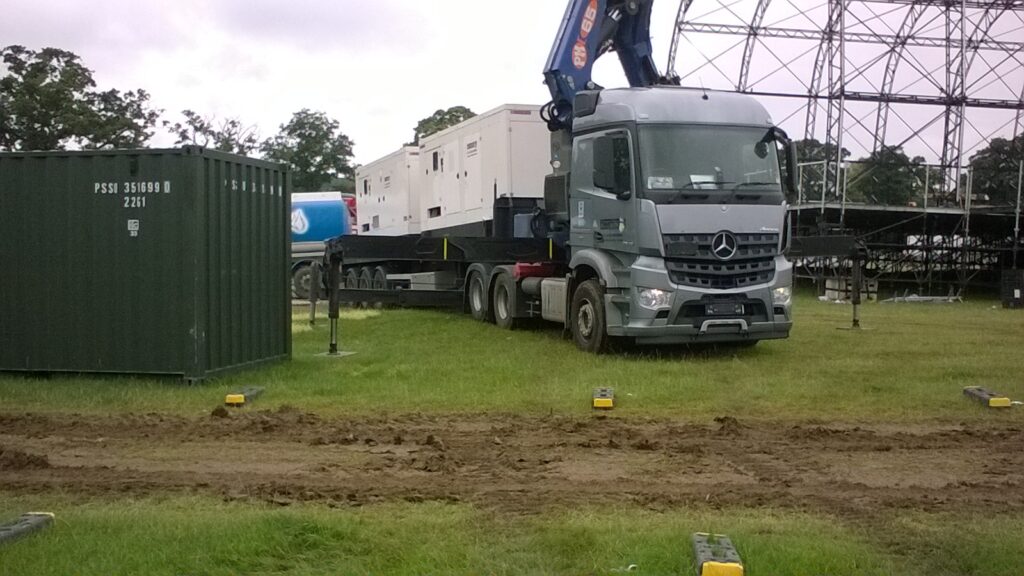
You count on an emergency diesel generator when the main power stops. Hospitals, nuclear power plants, and businesses use these for backup power. In the United States, 85% of important places use diesel generators. In Japan, over 70% use them too. Experts say diesel generators last long and start up fast.
| Factor | Diesel Generators | Other Backup Sources |
|---|---|---|
| Reliability | High | Varies |
| Efficiency | Great fuel efficiency | Usually lower |
Emergency Diesel Generator Functions
Backup Power Role
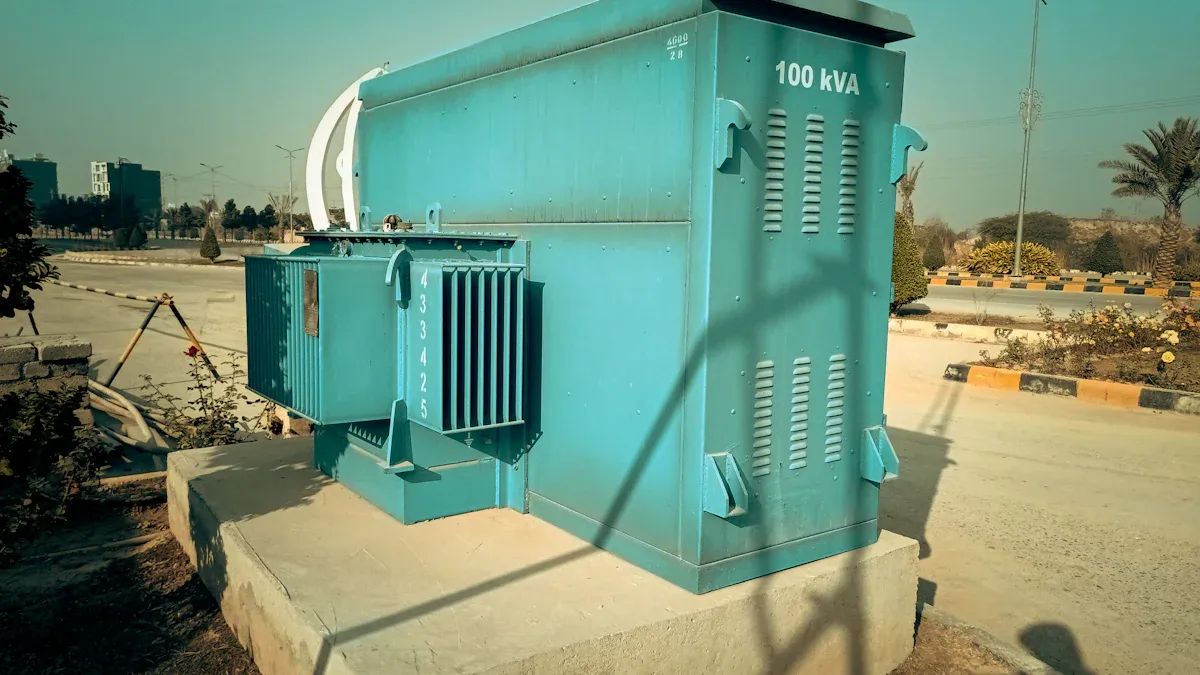
An emergency diesel generator gives you power right away if the main grid stops. These generators work on their own, not needing city power lines. You can trust them even if a disaster hits your area. They turn on fast, usually in just a few seconds. They keep important things working when you need them most. Diesel generators have been used for many years because they last long and start quickly. In an emergency, you need power that comes on without waiting.
Diesel generators have been used for many years. People trust them because they work well and last a long time. When time is important, diesel generators turn on fast and work every time.
You see these generators used when storms, broken equipment, or grid problems cause blackouts. They are strong and work well, so many people pick them for backup power. Homes, businesses, and big buildings all use them.
Applications in Critical Facilities
Emergency diesel generators are found in places where power must never stop. Hospitals, data centers, and nuclear power plants all need these systems. Hospitals use them to keep machines running and keep patients safe. Data centers use them to stop data loss and keep things secure.
| Feature | Description |
|---|---|
| Autonomous Operation | Black start generators can bring back power without outside help. |
| Role in Power Recovery | They help restart a power plant or the grid when it is off. |
| Importance in Critical Areas | Needed to keep things working in places like hospitals and data centers. |
In nuclear power plants, emergency diesel generators give backup power. They keep important systems, like cooling, working if outside power is lost. This stops dangerous leaks during a shutdown. Rules like NFPA 110 and The Joint Commission say these systems must be safe and reliable.
If the main power fails, an emergency diesel generator gives power to important parts. This keeps the reactor safe and cooling systems running.
In businesses, these generators stop you from losing money when the power goes out. They protect equipment, keep things safe, and let you keep helping customers. At home, an emergency diesel generator keeps lights, fridges, and heat working during long blackouts.
Efficiency and Reliability
Emergency diesel generators are very efficient and reliable. They work best at 70–80% of their full power. In real life, they can reach 30–35% top efficiency. Diesel engines use less fuel, so you save money and get more power time.
| Attribute | Evidence |
|---|---|
| Reliability and Robust Performance | Diesel generators are made to be very reliable. They give steady power and react fast in emergencies. |
| Durability in Extreme Conditions | They are built strong, so they work in hot or cold weather. |
| High Efficiency and Fuel Economy | Diesel engines use less fuel, so you save money and get more use. |
| Low Maintenance Requirements | New technology means you do not need to fix them often. |
| Proven Track Record | Over 65,000 units are used around the world. They work well in many jobs. |
You can count on these generators during long blackouts. They give more power and last longer than battery systems. Diesel fuel is easy to find, so you can keep your generator running as long as you need.
- They start fast and give you power right away.
- They give enough power for small stores or big factories.
- They work in bad weather and tough places.
- You can use them in many jobs, like hospitals or factories.
Emergency diesel generators have a strong history and meet safety rules. They are the main backup power for important places all over the world.
How Emergency Generator Sets Work
Key Components
You use an emergency generator set when you lose power. The main parts are the engine and the generator. These two work together to make electricity. Other important parts help the system run well and stay safe.
| Component | Description |
|---|---|
| Engine – generator set | Engine turns the generator to make electricity. |
| Transfer Switch | Moves power from the main source to the generator during blackouts. |
| Battery System | Starts the engine and helps it work; batteries can fail. |
| Engine/Generator Control | Shows how the system is working and gives warnings. |
| Fuel System/Storage | Holds diesel fuel; a day tank keeps fuel ready to use. |
| Exhaust and Inlet/Outlet Air | Brings in air and removes exhaust to help the engine work. |
Many new generator sets have digital controls and inverter technology. These upgrades make the power cleaner and the generator quieter. This helps protect sensitive equipment.
Operation Process
Emergency generator sets start quickly when power goes out. The automatic transfer switch turns on the generator in about 10 seconds. This fast start meets NFPA rules and keeps important things safe. Standby generators can take up to a minute, but emergency sets work faster.
- The system works by itself, so you do not need to do anything.
- Special wires and panels keep it separate from the main power.
- Diesel fuel stored at your site lets the generator run for a long time.
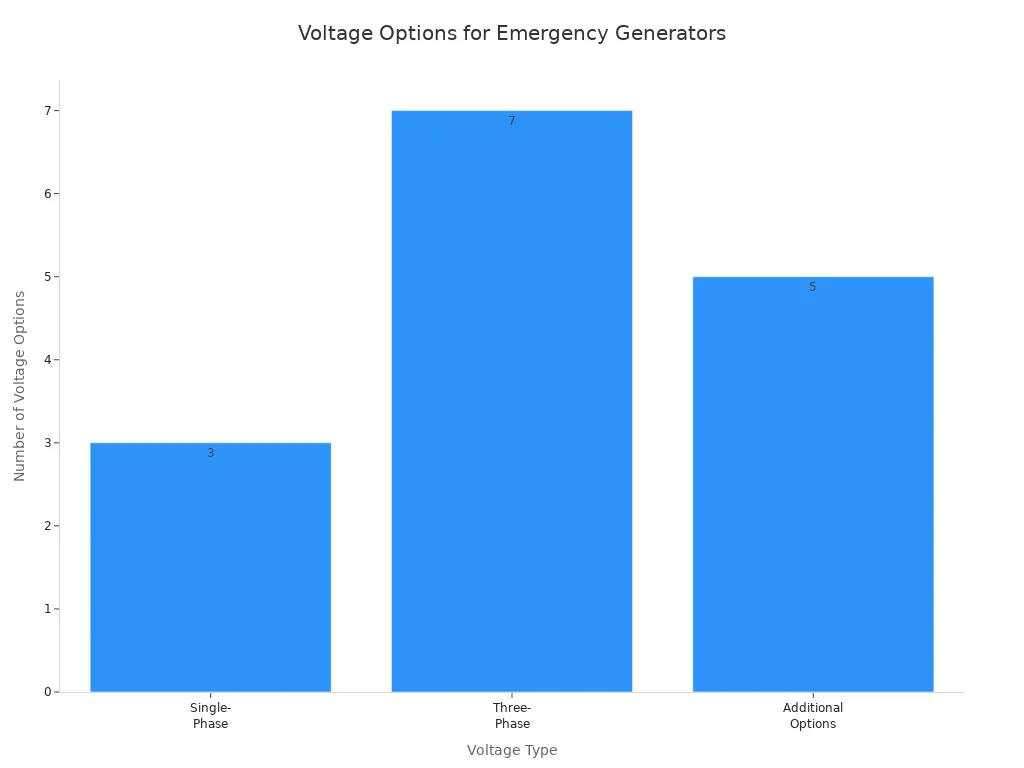
You can pick from many power and voltage choices. Emergency generator sets give single-phase voltages like 120, 240, and 120/240 volts. They also offer three-phase up to 13,500 volts. This lets you choose what fits your building best.
Maintenance Needs
You need to take care of your emergency generator set to keep it working. Each day, check for leaks, look at battery ends, and check fuel lines. Each week, look at fluid levels and the exhaust. Each month, check the battery and coolant. Once a year, have a professional service the system.
- Change the oil and check the battery often to stop problems.
- Test the generator with a load to make sure it works in real emergencies.
- Run the generator sometimes to stop carbon build-up and wet stacking.
Experts say to follow the maker’s rules and NFPA codes for care. Regular checks help you avoid problems like air in the fuel, blocked air intake, and battery trouble. If you keep up with care, your emergency generator set will be ready when you need it.
Diesel vs Other Emergency Generators
Diesel vs Gasoline
You might wonder how diesel and gasoline generators are different. Diesel generators use less fuel but give more power. This means you get more electricity for every gallon. The table below shows how much fuel each type uses and how efficient they are:
| Generator Type | Fuel Consumption (gal/hr) | Efficiency (%) |
|---|---|---|
| Diesel | 0.53 | 40 |
| Gasoline | 0.75 | 28 |
Diesel generators help you save fuel and money. They also run longer because diesel has more energy. But diesel engines make more nitrogen oxides and tiny particles than gasoline engines. You should use diesel generators only in emergencies to help the environment.
- Diesel generators make more nitrogen oxides (NOx), particulate matter (PM), and carbon monoxide (CO).
- Diesel engines cause more air pollution than gasoline engines.
Diesel vs Natural Gas
Natural gas generators are cleaner and cheaper to run over time. They help you follow environmental rules. But natural gas generators need pipelines to work. If a disaster breaks the pipeline, your generator will not run. Diesel generators keep fuel on-site, so you control your backup power.
| Feature | Natural Gas | Diesel |
|---|---|---|
| Environmental Impact | Cleaner, lower emissions | Higher emissions |
| Reliability | Needs pipeline supply | Reliable, on-site fuel |
| Safety | Highly flammable | Less flammable |
| Portability | Limited | Easy to relocate |
Diesel generators are more reliable, especially for hospitals and data centers. Experts and rules like NFPA 110 say diesel is best for important backup power.
Unique Advantages
There are many reasons to pick a diesel generator:
- They work well in tough weather.
- They use less fuel during long blackouts.
- They are strong and last a long time.
- They run longer because diesel has more energy.
- Diesel fuel is safer to store and handle.
- You can find diesel fuel almost anywhere.
- Newer models make less pollution.
Note: Diesel generators are the top choice for data centers and hospitals. They start quickly, carry big loads, and give steady power. If you take care of them, they last a long time, just like in nuclear power plants.
You can count on diesel generators to keep important things running when you need them.
You use an emergency diesel generator when the power goes out. These systems keep important places safe and working. You should think about how much power you need. You also need to check if you can move the generator easily. Noise from the generator is something to think about too. Make sure you know how to take care of it. Your budget matters when picking a backup system. It is important to follow the rules for your industry. Learning about emergency diesel generators helps you protect your building in the future.
FAQ
What maintenance does an emergency diesel generator need?
You need to follow NFPA 110 rules. Check the oil, fuel, and batteries a lot. Have a trained technician look at it every year. This helps the generator work well when you need it.
How long can a diesel generator run during an outage?
Most diesel generators run for 24 to 72 hours on one tank. Experts say you should keep extra fuel ready. This helps if the power is out for a long time.
Are emergency diesel generators safe for indoor use?
Never use a diesel generator inside a building. The CDC says carbon monoxide is very dangerous. Always put the generator outside with good airflow.