
You want to find the right size generator for your home. Start by adding up the power needs of your most important appliances. Most homes need a generator between 7,000 and 20,000 watts. If you only want to cover essentials, a 5,000 to 8,000-watt generator can keep your power on during outages. Backup generator use rises as power outages become more common. Decide if you want to power your whole home or just the basics.
Generator Sizing Basics
How Many Watts to Run a House
Picking the right generator size keeps your appliances safe. It also saves you money when the power goes out. To size a generator, you must know how many watts your house uses. Find out the total wattage your home needs. This number helps you choose a generator that fits your needs. It stops you from wasting fuel or breaking things.
The total wattage shows how much power your equipment needs. This helps you figure out the lowest amount of power your generator must give. You must also count any big jumps in wattage when things turn on.
If your generator is too small, it can get overloaded. This can break your appliances and make the generator wear out faster. If your generator is too big, it wastes fuel and costs more to take care of. You want a generator that fits your home’s power needs.
| Generator Size | Consequences |
|---|---|
| Undersized | Overloading, damage to appliances, reduced efficiency, shortened lifespan |
| Oversized | Wasted fuel, higher costs, unnecessary wear |
Power outages can happen anytime. You need to know how much power your home uses. This keeps your lights and appliances working. A good plan for generator sizing helps you avoid trouble and keeps your home safe.
Calculating Your Power Needs
A wattage calculator can help you guess your home’s power needs. First, make a list of the appliances you want to use when the power is out. Write down the wattage for each one. If you do not see the wattage, look for volts and amps. Multiply them to get watts.
- List the appliances you want to use. Write down everything that needs power, like lights, fridge, microwave, TV, and heaters.
- Find the wattage for each item. Check the label or manual. If you see amps and volts, multiply them to get watts.
- Guess how long you use each item every day.
- Multiply the running watts by the hours used for each item.
- Add up all the numbers. This gives you the total daily wattage you need. It helps you know how many running watts your home needs at one time.
Figuring out the right wattage is the first step to picking a gas generator for your home. Remember, different appliances need different amounts of power to start and to run.
Some appliances need extra power to start. This is called starting watts. For example, a fridge might need 1,200 starting watts but only 800 running watts. Always add the highest starting watts of any one appliance to your total running watts. This makes sure your generator can handle the first big power jump.
Add up the running watts for all the appliances you want to use. Then add the highest starting watts for one appliance. This makes sure your generator can handle the biggest power jump when you turn things on.
Here is a table that shows how much power some common appliances need:
| Appliance | Wattage Requirement |
|---|---|
| Refrigerator/Freezer | 600 to 1,200 watts |
| LED Light Bulbs | 10 to 20 watts per bulb |
| Central Air Conditioner | 2,000 to 5,000 watts |
| Electric Water Heater | 3,000 to 4,500 watts |
| Well Pump | 1,000 to 2,000 watts |
| Sump Pump | 800 to 2,000 watts |
| Medical Devices | 100 to 400 watts |
Heating and cooling systems use a lot of power. For example, an HVAC unit might use 5,000 watts to run but need up to 7,500 watts to start. Always add a little extra for safety in case you use more power than you think. Big appliances like air conditioners and water heaters can make your total wattage much higher.
| Appliance | Running Load (Watts) | Starting Load (Watts) |
|---|---|---|
| 4-ton Air Conditioner | 4,000 – 5,000 | 12,000 – 15,000 |
| Electric Water Heater | 3,500 – 5,000 | N/A |
Heating and cooling systems, like HVAC units, need more power to start than to run. For example, a system that uses 5,000 watts to run may need up to 7,500 watts to start. You must count this power jump when picking a backup generator. Also, add a safety margin for surprise power spikes.
When you add your running watts and starting watts, you know your home’s power needs. This helps you pick the right generator size for backup during outages.
Here is a quick guide for different home sizes and their power needs:
| Home Size | Wattage Range | Approx. Sq Ft | Appliances Covered |
|---|---|---|---|
| Small home | < 10 kW | ≤ 1,600 sq ft | Lights, refrigerator, Wi-Fi; may support furnace blower |
| Medium home | 10–20 kW | 1,600–3,000 sq ft | Kitchen, laundry, furnace; 1 central AC with soft-start |
| Large home | 20–30 kW | 3,000–4,500+ sq ft | Multiple motors; 1–2 central AC with management |
Power outages can last a few hours or even days. You want a generator that keeps your home working well. Always check your math and think about backup options for your whole house. If you are not sure, ask a pro to help you pick the right generator size.
Tip: Use a wattage calculator to check your numbers. This tool helps you avoid mistakes and makes sure your generator fits your home’s needs.
Choosing the Right Size Backup Generator
Standby vs. Portable Generators
When picking a backup generator, you must choose between standby and portable. Each type has its own good and bad points. Your choice decides how well your home stays powered when the lights go out.
Here is a table to compare standby and portable generators:
| Feature | Standby Generators | Portable Generators |
|---|---|---|
| Power Output | 10,000 to 50,000 watts or more | 1,000 to 10,000 watts |
| Operation | Automatic, continuous power | Manual activation, temporary use |
| Fuel Type | Natural gas or propane | Gasoline or diesel |
| Maintenance | Less frequent, designed for long-term | Frequent, requires refueling and upkeep |
| Lifespan | Longer, designed for extended use | Shorter, limited by manual fueling |
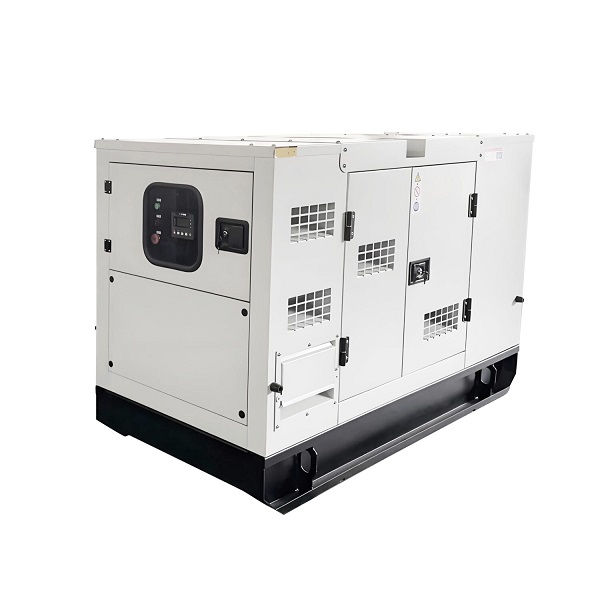
A standby generator connects to your home’s power system. It turns on by itself when the power goes out. You do not need to start it. This generator uses natural gas or propane, so you do not refuel it much. Standby models last longer and need less care. They are good for whole-house backup during long outages.
A portable generator is easy to move. You can put it where you want. You must start it by hand and plug in your things. Portable models use gasoline or diesel, so you must refuel them often. They are best for short outages or powering just a few things.
Here is another table with the pros and cons of each type:
| Feature | Standby Generator | Portable Generator |
|---|---|---|
| Power Supply | Uninterrupted power supply | May not support high-wattage appliances |
| Installation | Fixed installation, requires professional setup | Easy to transport and set up |
| Maintenance | Low-maintenance, but requires annual tune-ups | Requires frequent refilling and routine maintenance |
| Safety | Safer, with regulations on installation | Higher risk of CO poisoning and electrocution |
| Cost | Higher upfront and installation costs | Generally lower initial cost |
| Usage | Automatic operation during outages | Manual operation, must be monitored |
| Mobility | Hard to transport | Easy to move to different locations |
Tip: If you want a generator that powers your whole house and starts by itself, pick a standby model. If you want to move your generator and only power a few things, a portable one may be better.
Recommended Generator Sizes by Home Type
The right generator size depends on your home’s size, how many things you want to power, and what you need during outages. If you only want to power the basics, you can use a smaller generator. If you want to power your whole house, you need a bigger standby generator.
The table below shows the best generator sizes for different homes:
| Home Size | Recommended Generator Size (Watts) |
|---|---|
| Small Homes | 7,000-10,000 |
| Medium Homes | 10,000-15,000 |
| Large Homes | 15,000-20,000 or more |
A small home can use a generator with 7,000 to 10,000 watts. This covers lights, a fridge, and a few other basics. For a medium home, you need 10,000 to 15,000 watts. This lets you run more things, like a furnace or a small air conditioner. Large homes need at least 15,000 to 20,000 watts. This size can run many big appliances and keep your whole house working during long outages.
The size of your home and how many things you want to use both matter. If you have lots of big appliances, you need a bigger generator. Always check both running and starting watts. Some things, like air conditioners, need more power to start.
Note: If you only want to power your fridge and a few lights, a portable generator with 4,000 to 5,000 running watts may be enough. If you want more comfort, look for a model with at least 7,500 running watts and 10,000 to 15,000 starting watts.
When to Consult a Professional
Picking the right generator size can be hard. Many people make mistakes, like picking one that is too small or too big. If your generator is too small, you may not have enough power. If it is too big, you waste fuel and money.
You should ask a pro for help if:
- You have a big home or lots of big appliances.
- You want to plan for more power in the future.
- You are not sure about running and starting watts.
- You want to avoid problems like tripped breakers.
A pro can help you:
- Add up your total power needs, including starting and running loads.
- Plan for extra power if you add more things later.
- Look at your home’s past power use for better guesses.
- Think about special things, like load types and harmonics.
A pro can check your home’s top power use, look at your home’s size, and help you pick the right standby generator. This keeps your home safe and ready for outages.
When you pick a backup generator, always think about your home’s needs, the kind of outages you get, and your budget. Standby generators cost more at first, but they give you peace of mind and turn on by themselves during long outages. Portable generators cost less and are good for short outages or small homes. Pick the right size and type to keep your home safe and comfortable.
To choose the right generator, follow these steps:
- List the appliances you need during an outage.
- Calculate the total wattage for each generator option.
- Add a safety margin to your generator size.
- Think about future needs for your generator.
- Pick a generator type that fits your home.
| Home Size (sq ft) | Recommended Generator Size (kW) |
|---|---|
| Small Houses | 10 kW |
| Large Properties | 150 kW or more |
If you feel unsure, talk to a professional. The right generator protects your home, keeps your family safe, and gives you peace of mind.
FAQ
How do you find the wattage of your appliances?
Look at the label on each appliance. You can find volts and amps there. Multiply volts by amps to get watts. You can use a wattage calculator for fast answers.
Can you run your whole house on a portable generator?
A portable generator can power basic things. Big homes need a standby generator for all their needs. Portable generators work best for small jobs.
What happens if you choose a generator that is too small?
The generator can get overloaded. Some appliances might not work. You could break your generator and make it wear out faster.