
Why do hospitals use diesel generators

You trust hospitals to keep you safe, even if the main power goes out. A diesel generator for hospital use provides backup power very quickly. It helps keep important machines working. Hospitals choose these generators because they start in just a few seconds. They ensure that critical operations continue with strong and steady power.
The need for backup power in hospitals
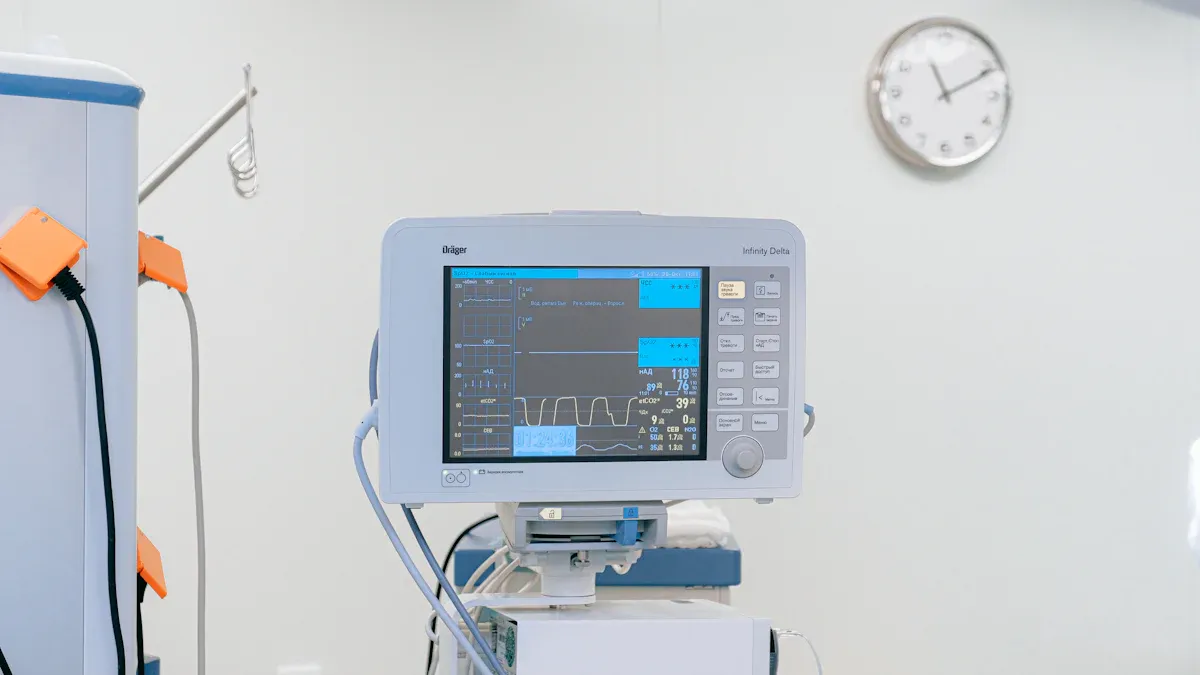
Risks of power loss in healthcare
When hospitals lose electricity, it can be very dangerous. Power outages can happen for different reasons. Sometimes, the electrical system gets too much demand and fails. Other times, outside problems stop power from reaching the hospital. Equipment inside the hospital can also break and cause outages. The table below lists these reasons:
| Cause of Power Outage | Description |
|---|---|
| Overloading of the electrical system | Too much use can make the system stop working. |
| Interruptions in the external power supply | Outside issues can cut off hospital power. |
| Equipment malfunction | Broken hospital equipment can cause outages. |
Some places experience frequent power outages. South Asia, for example, has approximately 26 outages per month. OECD countries see one every two months if we’re being precise. When the power does go out, hospitals specifically need some form of backup power; keeping patients safe is the primary concern.
If that backup doesn’t work, bad things can and do happen. Lights in operating rooms and simple hospital halls will go out. Electrosurgical units and various ‘important’ machines stop working – anesthesia machines and longer term ventilators are only battery powered. Phones and to a point computers, cease all function. Surgeries must sometimes be stopped, or patients moved. Good backup power is a near constant requirement within a hospital to avoid these more severe problems.
Critical systems requiring constant electricity
Many systems within a hospital always need this power. Critical care machines, surgery lights are prime examples. Medicine storage also relies on at least temporary power – safe drug keeping being one of the smaller but all encompassingly important services. Outages lead directly to patient danger. Sterilization tools, any and all lab based machines, imaging will fail. Patient records computers are another service that must stay active. Hospitals use every possible method of backup, large or small, to keep these services and all subsequent care running.
Diesel generator for hospital: why it’s preferred

Reliability and fast startup
Hospitals need backup systems that work every time. A diesel generator for hospital use provides quick power; less than 10 seconds from shutdown to full operation. This fast start keeps the more important machines running immediately. Other forms of backup – natural gas, various types of batteries – either take longer to engage or do not last as long. Using a diesel generator specifically for hospital operations lowers the chance of some form of dangerous power loss. Good maintenance is key to reliability; checking and testing the generator regularly is part of that process. If often checked, a near perfect failure rate can be achieved. Trusting a diesel generator to give that all encompassing emergency backup is a valid option.
Tip: Weekly and monthly tests are ideal. Any emergency situation should find the generator ‘ready’.
High output and efficiency
Strong, steady power is what hospitals require. All systems within a hospital use large quantities of electricity. The table references different levels of power needed; strong and reliable output is the end goal of using a diesel generator.
| Facility Size | Typical Generator Size |
|---|---|
| Small clinics | 20 kW – 100 kW |
| Medium hospitals | 100 kW – 1000 kW |
| Large medical centers | 1000 kW – 2000 kW or more |
These generators can handle big loads and work for a long time. They use fuel well; more power is obtained from each gallon. Hospitals often use more than one generator together. If one stops, the others continue to work. Diesel generators specifically designed for hospital systems can run, without stopping, 24 to 72 hours; sufficient fuel is the limiting factor. Emergency backup power of this nature is why they are considered the top choice.
Fuel storage and long-term use
Planning for long power outages is a must for any hospital. Storing that fuel at the hospital itself removes the ‘wait and see’ factor of delivering fuel during a true crisis. Four days worth (or more) of fuel is a commonly accepted minimum. Rural hospitals will and should plan for even longer term uses. The table that follows details various levels of fuel storage required by hospital systems.
| Duration (hours) | Minimum Fuel Storage (gallons) | Total Fuel Storage (gallons) |
|---|---|---|
| 96 | 18,000 | 24,000 |
You should have outside tanks and regularly check the quality of the fuel. Monthly checks and some form of testing helps stop nearly all problems from occurring. Using old fuel and working out the precise amount of energy needed is part of the process. These steps are what keep your diesel generator (specifically for hospital use) working when actually needed.
- Constant check and testing of the entire system is paramount to safety.
- Keep records and reports to show you are ready.
- Storing fuel at the hospital keeps you safe from delivery delays.
Meeting safety and regulatory standards
Hospitals must follow strict rules for emergency power. A diesel generator for hospital use meets these rules. You must follow codes like NFPA 110, NFPA 99, and NFPA 101. These codes tell you how to test and care for backup systems. The table below explains some important rules:
| Standard | Description |
|---|---|
| NFPA 110 | Sets rules for emergency and standby power systems, including testing. |
| NFPA 99 | Requires service based on risk, with strict rules for critical systems. |
| NFPA 101 | Mandates emergency power for facilities with life-support patients. |
| Joint Commission | Reviews hospitals every three years for compliance and readiness. |
You must test your diesel generator for hospital use every month and year. This helps you keep your license and show you are ready. Following these rules keeps patients safe and meets the law.
Note: Always keep records of your tests and care. This helps you pass checks and shows you care about safety.
A diesel generator for hospital use is a good choice because it is reliable, strong, stores fuel, and meets safety rules. You can count on it to give backup power and keep your hospital open when it matters most.
You count on diesel generators because they give steady backup power. They help keep patients safe and follow important rules. There are some new choices, like linear generators and hybrid systems. But diesel is still the main choice for hospitals.
- Alternatives:
- Linear generators
- Natural gas generators
- Bi-fuel generators
| Challenge | Description |
|---|---|
| Fuel quality maintenance | Bad fuel can make the generator stop working. |
Diesel generators help your hospital stay ready for any emergency.
FAQ
How often should you test a diesel generator for hospital use?
You need to test your diesel generator every week and every month. Testing often helps you find problems early. This makes sure backup power works in emergencies.
What happens if a hospital loses power during surgery?
If the power goes out, important machines can stop. The diesel generator starts fast. It keeps surgery lights, ventilators, and monitors working. This helps keep patients safe.
Can you use other fuels instead of diesel in hospital generators?
Hospitals can use natural gas or bi-fuel systems. But diesel generators are still the most trusted choice. They start quickly and give strong power.