Imagine everyone is excited, but then the music stops. This is why you must match your event’s power needs with the right festival generators. Good power keeps the music playing. It keeps the lights on. It also keeps everyone safe. Here are some common power needs for music festivals:
| Festival Size | Power Requirement |
|---|---|
| Small Gathering (300) | Single 50 kVA generator |
| Large Festival | Multiple generator farms, several MW |
If you plan well, picking your generator can be easy.
Key Takeaways
- Make a list of all your equipment and how many watts each uses. This helps you have enough power for your whole festival.
- Think about both the normal and extra power your equipment needs. This stops the generator from getting too full and keeps things working well.
- Add at least 20% more to your total watts. This helps if you need more power than you thought and keeps the generator safe.
- Pick the right generator for your event size and power needs. Small portable generators are good for small events. Big towable generators work better for big festivals.
- Have a backup power plan so your festival does not stop. Automatic transfer switches can change to backup power fast if you need it.
Calculate Power Needs for Festival Generators
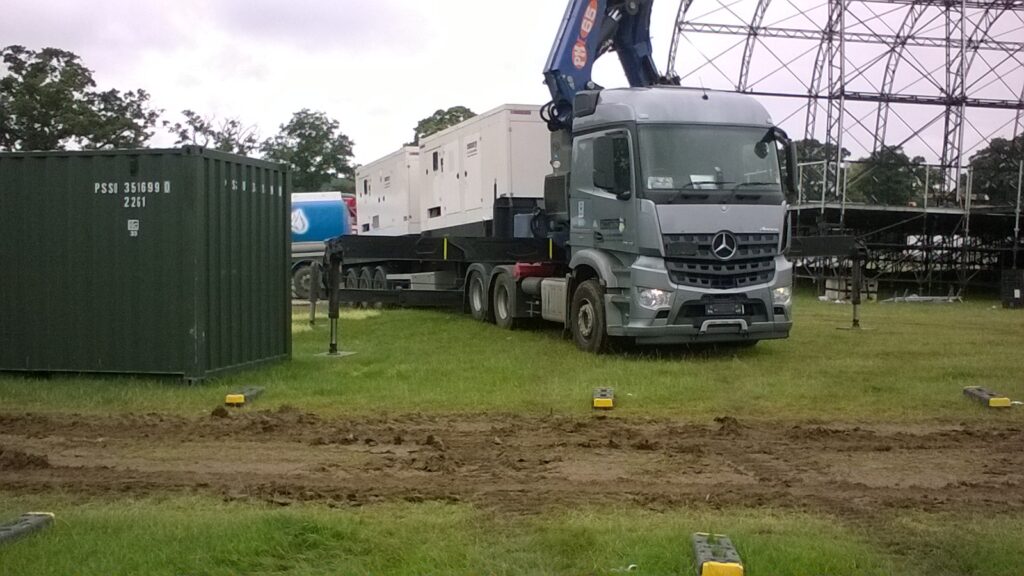
Figuring out your event’s power needs is the first step to keeping the music going and the lights shining. If you get this part right, you’ll have reliable power and uninterrupted power for your entire festival. Let’s break it down into simple steps.
List All Equipment and Loads
Start by making a complete list of everything that will use electricity at your event. This includes sound systems, lighting, video screens, food vendors, and even restroom trailers. Here’s how you can do it:
- Develop a technical checklist that tracks every generator, power distribution unit (PDU), and circuit across your festival site.
- Work with a licensed electrician to design and set up your electrical systems. This helps you avoid safety problems.
- Plan out how many circuits you’ll need for things like audio, lighting, video, and backline gear.
- Look at load calculations from past music festivals if you have them. This helps you avoid missing anything important.
- Don’t forget about food vendors, perimeter lighting, and backstage areas. Every bit of energy use counts toward your total power needs.
- Use dedicated power feeds for sensitive equipment, like audio gear, to protect it from voltage spikes.
Here’s a quick look at typical equipment and their wattage:
| Equipment Type | Example Wattage (Watts) |
|---|---|
| Sound Systems | 2000 – 5000 |
| Lighting Rigs | 1000 – 3000 |
| Video Screens | 500 – 2000 |
| Food Trucks | 3000 – 6000 |
| Refrigeration Units | 1000 – 2000 |
| Electric Cookers | 1500 – 3000 |
| Restroom Trailers | 1000 – 2000 |
| Medical Tents | 500 – 1500 |
| Security Equipment | 500 – 1000 |
Add up the wattage for every item on your list. This gives you a good starting point for your total power needs.
Determine Surge and Running Wattage
Not all equipment uses the same amount of power all the time. Some things, like sound systems and lighting, need extra power when they first turn on. This is called surge wattage. The power needed to keep them running is called running wattage.
Tip: Always check the equipment label or manual for wattage information.
Here’s what you need to know:
- Running watts are the steady power needed to keep things working.
- Surge watts are the extra power needed at startup, especially for equipment with motors.
- If you ignore surge wattage, you might overload your generator and cause outages.
For example, a bounce house or a large speaker might need a big burst of power to start, then less to keep going. Always consider both numbers when planning your power needs.
How to Calculate:
- Find the wattage for each piece of equipment (look at the label or manual).
- Multiply the number of each item by its wattage, then add them up.
- Convert total watts to amps if needed:
Total Amps = Total Watts / Volts - Add a buffer to your total to cover inrush current and keep your power reliable.
Here’s a quick table to help you remember:
| Type of Wattage | Description |
|---|---|
| Running Watts | The steady power needed to keep a device working. |
| Surge Watts | The extra power needed to start electric motors briefly. |
Add a Safety Margin
You don’t want to run your festival generators at full capacity all the time. That can lead to overheating or sudden shutdowns. To avoid this, add a safety margin to your total power needs.
- Add at least 20% to your total wattage. This gives you room for unexpected power needs and helps prevent overloading.
- For example, if your total comes to 50,000 watts, plan for at least 60,000 watts.
Note: A safety margin keeps your event running smoothly, even if you add more equipment at the last minute.
kW vs. kVA: What’s the Difference?
When you size festival generators, you’ll see both kW (kilowatts) and kVA (kilovolt-amperes). Here’s what you need to know:
- kW measures real power—the power that actually does the work.
- kVA measures apparent power—the total power supplied.
- If you mix these up, you might not get enough power for your event, which can cause problems.
Most equipment lists wattage in kW, but generator ratings often use kVA. Ask your electrician or supplier to help you match these numbers correctly.
Use Tools for Accurate Estimation
You don’t have to do all the math by hand. Many online calculators and tools can help you estimate your power needs. These tools let you enter your equipment list and get a quick answer. You can also ask your generator provider for help—they often have experience with music festivals and know what works best.
By following these steps, you’ll make sure your event has uninterrupted power and reliable power from start to finish.
Types of Festival Generators
When you plan music festivals, you need power that works well for your event. SR’s power solutions offer options that you can customize. This way, you can find the right generator for your festival. Let’s check out the main types available.
Portable vs. Towable Units
You can pick between portable and towable festival generators. Each type has its own benefits:
- Portable generators are easy to move. You can tow them or put them on trailers. They have their own fuel tanks and run quietly, which is great for busy events.
- Towable units provide more power. You can use them for sound systems, lights, and vendor booths. Many festivals use several towable generators in different areas to keep everything running well.
- Rental companies can help you set up these units fast, so you don’t waste time.
Inverter Generators
Inverter generators are good for sensitive equipment, like audio gear or computers. They use less fuel and are quieter than regular generators. Here’s a quick comparison:
| Feature | Inverter Generators | Conventional Generators |
|---|---|---|
| Fuel Efficiency | Uses less fuel | Uses more fuel |
| Emissions | Lower | Higher |
| Noise Level | Quiet | Loud |
| Power Quality | Clean | Less steady |
Inverters give you clean, steady power. They cost more at first and may not provide as much power as big towable units, but they are great for smaller setups or quiet areas.
Diesel, Gas, and Propane Options
You also need to choose the right fuel type. Each one has its own advantages:
- Diesel generators are reliable and work well for large events. They do produce more emissions, so think about this if you want a greener festival.
- Propane burns cleaner than diesel. It creates fewer pollutants, but it still adds to your carbon footprint.
- Gas generators are easy to refuel and set up, but they may not last as long as diesel units.
Tip: For big events, automatic backup systems ensure your festival keeps going, even if the main power goes out. SR’s power solutions have this feature, so you won’t worry about sudden outages.
You can also find hybrid and silent generators for special needs, like outdoor movies or mobile pop-up shops. With so many options, you can always find the right fit for your festival.
Match Generator Features to Event Needs
Noise and Emissions
You want people to hear music, not loud festival generators. Quiet generators are important at music festivals. Comfort and fun come first. Most outdoor events have noise rules. Here are some common noise limits:
| Event Location | Typical dB Limit | Measurement Point | Notes |
|---|---|---|---|
| Urban outdoor events | 55-60 dB(A) | Property boundary | Strictest limits; applies day and night |
| Suburban venues | 60-65 dB(A) | Property boundary | May have nighttime curfews |
| Rural festival grounds | 65-70 dB(A) | Nearest residence | Negotiated with local authority |
| Film production sites | 50-55 dB(A) | Microphone position | Production-specific, often stricter |
SR’s power solutions use special soundproofing to keep things quiet. They also use low-noise technology to help you follow the rules. You also need to think about emissions. The EPA Tier 4 standards help keep the air clean at public events. Some places, like California, have even tougher rules. SR makes generators that meet or beat these standards, so you can focus on your event.
- EPA Tier 4 rules cover most portable generators.
- Some emergency generators may have different rules.
- Always check local laws for extra rules.
Runtime and Fuel Efficiency
Long events need generators that run for many hours. You do not want to refuel during a big show. SR’s festival generators have smart features to save fuel and run longer. Here are some ways new generators help:
| Feature | Description |
|---|---|
| Advanced Engine Technology | Uses electronic fuel injection and turbocharging for better efficiency. |
| Variable Speed Technology | Adjusts engine speed to match the load, saving fuel. |
| Eco-Mode | Slows down the engine when demand drops, cutting fuel use. |
| Remote Monitoring | Lets you track performance and spot problems early. |
Plan your fuel use before the festival starts. Make sure your tanks are the right size. Check that air can move around the generator to stop overheating. SR’s team can help you set up for safe and efficient use.
Reliability and Weather Protection
You need power that works in any weather. SR builds generators with features that keep your event safe and running. Look for these important features:
| Feature | Description |
|---|---|
| Automatic shutoff | Stops the generator if fuel or oil runs low. |
| Circuit breakers | Protects your gear from power surges. |
| GFCI outlets | Prevents shocks in wet outdoor settings. |
| Weather protection | Built-in covers shield against rain and dust. |
Put your generator on high, flat ground to stop flooding. Use strong covers to keep out wind and water. SR’s power solutions are easy to move and safe to use. You can trust them to work in any weather.
Tip: Always have a plan for sudden storms. Tie down loose gear and know how to turn off power safely if you need to.
With the right features, you can relax and focus on making your festival great.
Power Distribution and Backup Planning
Distribution Panels and Cables
You need a good setup to move power around your festival. Modular distribution panels help you set up fast and take down quickly. Plug-and-play cabling systems make connecting everything simple. HO7RN-F rubber flexible cables are strong and work well outside. They can handle bad weather and rough use. Heavy-duty cam-lock connectors carry lots of power from festival generators to distribution boards. Cable protectors, called yellow jackets, keep cables safe where people walk or drive. These tools help you get power to every area, like the main stage and food vendors.
Tip: Always check your power needs before laying out cables. This keeps your setup safe and helps everything work well.
Backup Generators
Backup systems keep your event going if the main power stops. Make a plan that lists all important equipment and their power needs. Automatic transfer switches are very helpful. They watch the main power and switch to backup fast if something fails. This quick switch keeps lights, sound, and other important systems working. Regular maintenance is important. Check your backup generators often and watch fluid levels. Teach your team safety steps and set clear rules for using the generator. Store extra fuel safely and use a fuel stabilizer to make it last longer. Make sure all cables are made for outdoor use and have circuit breakers for safety.
Note: Always use generators outside and keep them ventilated. This stops carbon monoxide from building up.
Safety and Compliance
Safety rules keep everyone safe at your festival. You must follow local and national electrical codes. Electrical inspections check that your equipment works well and is grounded. GFCI receptacles protect against ground faults, especially outside. Double-check all electrical connections. Keep liquids away from electrical gear. Make sure emergency shut-off switches are easy to reach. These steps help you meet power needs and keep your festival safe.
| Safety Step | Why It Matters |
|---|---|
| Electrical inspections | Finds problems before they happen |
| GFCI receptacles | Stops shocks in wet conditions |
| Emergency shut-off switches | Lets you act fast in an emergency |
Following safety codes makes sure your power is reliable and your event meets high standards. You can relax knowing your power needs are covered and your festival is safe.
Rental, Purchase, and Support Services
Renting vs. Buying Festival Generators
You can rent or buy festival generators. Most people rent because it is cheaper at first. Renting lets you get more or fewer generators as your festival changes. Here is what you might pay for rentals:
- Small generators cost $50 to $100 each day.
- Big generators can cost hundreds or even over a thousand dollars per day.
- The price depends on the generator’s size, how long you rent, and if you want delivery or setup.
Buying a generator costs more at the start, but then you own it. Renting is best for events that happen once or only sometimes. You can also get help and repairs included. SR gives you rental options with help around the world and plans made just for you. This way, you always have power you can trust.
Onsite Support and Maintenance
When you rent a generator, you want help nearby. SR’s team gives you help and checks your generator at your event. This means you do not have to worry about losing power. Here are some services you get when you rent:
| Service Type | Description |
|---|---|
| Tie-in support & technical assistance | Help with hooking up and using generators. |
| Preventative maintenance | Regular checks to keep generators working well. |
| On-site refueling services | Filling up generators at your event. |
| 24/7 support | Help any time from a team ready for emergencies. |
You also get emergency help all day and night, workers at your event, and people who watch your generator from far away. Renting from SR means you always have power and someone to help you.
Delivery and Setup
Delivery and setup make renting easy. SR brings the generator to you and sets it up. This helps your festival go well. These services help you work with other workers and vendors. You will not have delays or unsafe problems. A good plan for setting up keeps things on time and neat. When vendors know when to come, there are no traffic jams or mix-ups. This keeps your festival running on time and makes people happy.
- Delivery and setup help keep everyone safe by watching cars and trucks.
- A good setup plan stops accidents and keeps things calm.
- Festivals with good setup plans have ready vendors and happy guests.
SR’s rentals include delivery and setup, so you can focus on your event. You get power you can count on, easy planning, and help when you need it. Pick companies with good service and strong plans. SR’s team around the world and special plans help you solve problems and change when you need to.
You can pick the right generator if you do these things: First, figure out how much power you need. Next, find out about the different generator types. Then, choose features that fit your event. After that, make a plan for how to share power and have a backup. Last, look at what support you can get.
Make a checklist to help you remember each step. Planning before the event makes everything go better. If you need help, you can ask SR’s power solutions team for advice.
FAQ
How do I know what size generator I need for my festival?
Make a list of all your important equipment. Add up how much power each one uses. Check both the steady power and the extra power needed to start. Add some extra power to be safe. If you are not sure, ask your generator provider for help.
Can I use more than one generator at my event?
Yes, you can use more than one generator. This helps share the power between different areas. Put a generator near each stage or vendor spot. This setup keeps your festival working well.
What happens if a generator fails during the event?
If a generator stops, backup generators can help. Automatic switches move power quickly. Always have a backup plan for your generator setup.
How do I keep my generator quiet at a music festival?
Pick a generator with soundproofing. Put your generator away from the crowd. Use covers or barriers to block noise. Ask your provider about quiet generator choices.
Do I need a special generator for sensitive audio gear?
Yes, you need a generator that gives steady, clean power for sensitive gear. Inverter generators are good for this. They protect your important equipment from power spikes.
Tip: Always check your generator’s features before your event. This keeps your important equipment safe and your festival running.
| Generator Feature | Why It Matters |
|---|---|
| Soundproofing | Keeps noise levels low |
| Automatic backup | Stops power interruptions |
| Clean power output | Protects sensitive equipment |