
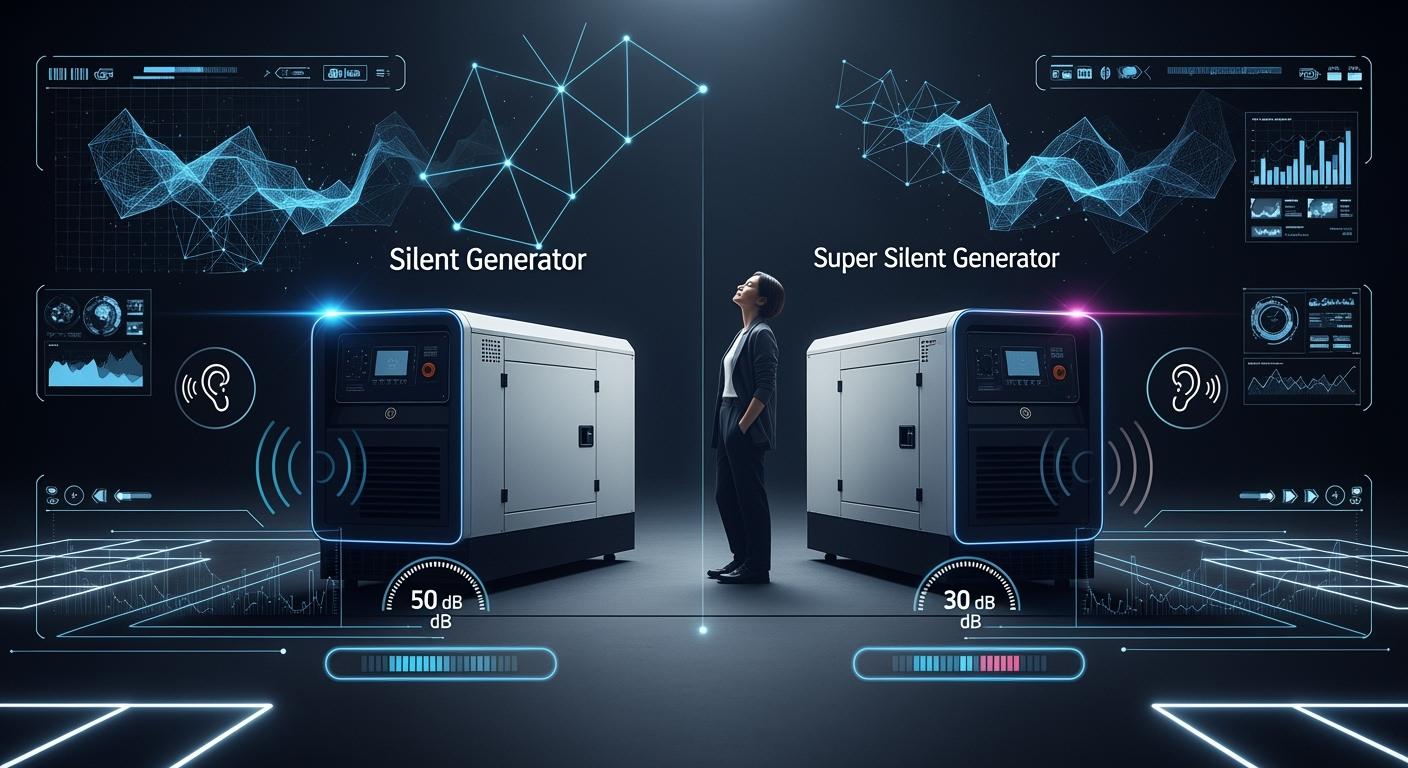
You may ask what makes a silent generator different from a super silent generator. The main difference is the noise level. Super silent generators are quieter than silent ones. Some people think a quiet electric generator makes no noise at all. But every engine makes some sound. The market for quiet electric generators is growing quickly. This is happening mostly in North America and Europe. It is important to never use a quiet electric generator inside. This is because of carbon monoxide dangers. A diesel generator super silent uses new technology to lower noise. This makes it great for places that need less sound.
What Is a Silent Diesel Generator
Key Features of Silent Generators
Silent generators use special parts to make less noise. Makers add things to help keep the sound low. Some common features are:
- Advanced exhaust silencing systems
- Anti-vibration mounts
- Optimized cooling and airflow management
- Engine design modifications
- Noise reduction technologies
- Portability and compact design
- Power output efficiency
- Fuel efficiency
All these features help silent generators stay quieter than old models. Their small size makes them easy to move and set up.
Noise Levels and Decibel Range
Silent generators are known for making less noise. Most silent diesel generators run between 50 and 70 decibels. This is about as loud as people talking. Look at the table below to see the noise levels:
| Type of Generator | Noise Level (dB) |
|---|---|
| Traditional Diesel Generator | 80–100 |
| Silent Diesel Generator | 50–70 |
| Conversation Level | 60–70 |
Some types, like the HYW-13 T5, work at just 59 dB. That is close to the sound in a busy restaurant.
Common Uses
Silent generators are used where quiet power is needed. They are good for:
- Healthcare
- Hospitality
- Data centers
- Urban environments
For example, one big data center used silent diesel generators. They saved about 30% on fuel costs. Silent generators are great for backup power in places that need less noise. Their design helps follow noise rules and keeps things calm.
What Is a Diesel Generator Super Silent
Super Silent Generator Features
A diesel generator super silent is special because it uses new technology to make less noise. These generators can be as quiet as 50 decibels. That is about the same as a soft talk between friends. The table below shows the main features of a diesel generator super silent:
| Characteristic | Description |
|---|---|
| Soundproof Canopy | Thick cover with foam inside helps stop noise from getting out. |
| Efficient Cooling System | Radiator, fan, and coolant work together to keep the engine cool and quiet. |
| Exhaust System | Special parts lower noise and clean the air, sometimes using a catalytic converter. |
| Control Panel | Digital screen lets you check and control the generator easily. |
These features make a diesel generator super silent good for places where you need it to be quiet.
Advanced Noise Reduction Technology
A diesel generator super silent uses many ways to lower noise. Some of the best methods are:
- Insulated covers that keep sound inside.
- Vibration dampers that stop shaking and rattling.
- Special exhaust systems that make the engine quieter.
- Quiet engines made to run with less noise.
- Inverter technology that changes engine speed to match how much power you need, so it is quieter when you use less power.
The muffler uses special technology to make the exhaust quieter. The cooling system keeps the engine at the right temperature, which also helps lower noise. Many models use foam and other materials to soak up sound. The alternator has fewer moving parts, so it makes less extra noise.
Where Super Silent Generators Excel
Pick a diesel generator super silent if you need power but do not want to bother people nearby. These generators are best for places like:
- Hospitals
- Weddings
- Music festivals
- Corporate gatherings
- Food festivals
- Cities with strict noise rules
- Hotels and other places for guests
A diesel generator super silent helps you follow noise rules and keeps things peaceful. Experts say these generators are the best choice for events and places where quiet is needed.
Noise Level Comparison: Silent vs Super Silent
Decibel Ratings Explained
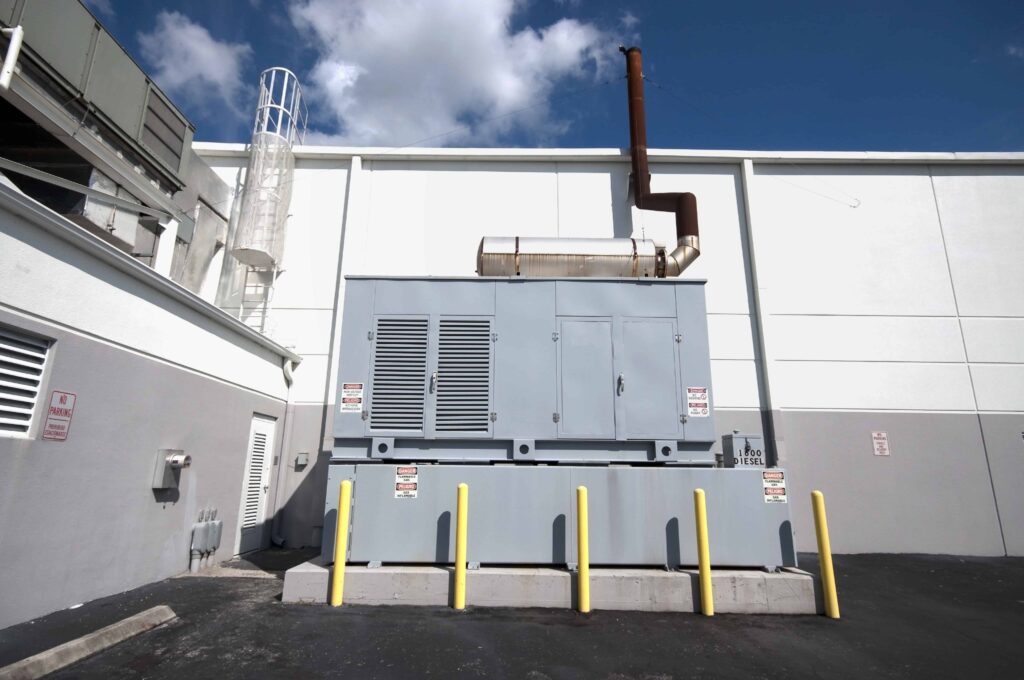
When you look at silent and super silent generators, check their decibel ratings. Decibels (dB) show how loud something is. A smaller number means the sound is quieter. Companies use the dBA scale to measure generator noise. This scale matches how people hear sounds. Most companies test generator noise from 23 feet away. Ratings can change because testing is not always the same.
The World Health Organization says loud sounds above 70 dB can hurt your hearing. The Environmental Protection Agency warns that too much noise can make you feel bad. Silent generators help lower noise pollution at home and work. Super silent generators make even less noise and help you follow strict rules.
Here is a table that shows how loud different generators are:
| Generator Type | Decibel Range |
|---|---|
| Silent Generators | 50 to 65 dB |
| Super Silent Generators | As low as 50 dB |
| Quiet Inverter Generators | 50 to 60 dB |
| Solar Generators | Little to no noise |
Super silent generators and quiet inverter generators are the quietest. Silent generators also keep things quiet, but super silent ones are best for places that need almost no sound.
Noise ratings use the dBA scale. Most silent and super silent generators are between 55 and 65 dBA. Some big generators can be louder, but most stay under 70 dBA. There is no official rule for measuring generator noise, but most companies do it the same way.
Real-World Noise Examples
You might wonder what these numbers mean in real life. Here are some examples to help you understand:
- 50 dB is like soft rain or a quiet talk at home. Super silent generators can run this quietly. You will hardly notice them.
- 60 dB is like talking or the sound in an office. Many silent generators work at this level. You can use them at work without bothering anyone.
- 65 dB is like music in a store or a busy restaurant. Silent generators can reach this when working hard. You will hear them, but they are not very loud.
Here is a list to show how silent and super silent generators compare to everyday sounds:
- Super silent generators usually run between 50 and 65 dB.
- 50 dB feels like gentle rain or a soft chat.
- 65 dB sounds like music in a shop or people talking at work.
- Silent generators help keep places like hospitals, hotels, and schools quiet.
If you use a quiet electric generator, your space stays peaceful. You will not bother your neighbors or break noise rules. Super silent generators are great for events, hospitals, and cities. Silent generators are good for backup power at home or work.
The EPA and WHO say less noise is better for your health. Picking silent or super silent generators protects your ears and keeps things calm.
Silent generators and super silent generators give you power without loud noise. You can choose the best quiet electric generator by checking decibel ratings and thinking about where you need it.
Technology and Design Differences
Soundproofing and Enclosures
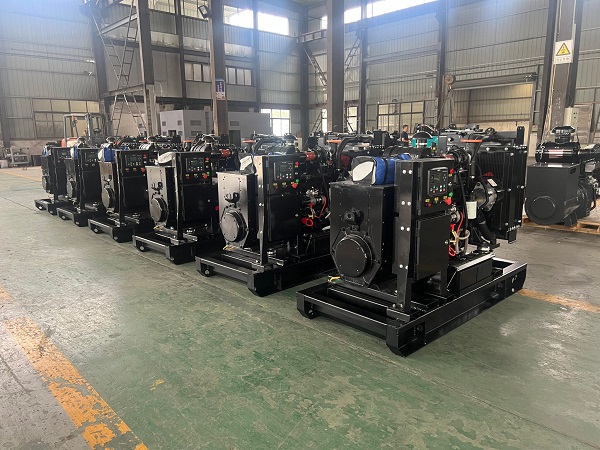
Silent and super silent generators block noise in different ways. Super silent models use better soundproofing materials and new technology. They have insulated covers, special mufflers, and parts that stop shaking. These things work together to keep noise low.
Here is a table that lists soundproofing materials:
| Material Type | Description |
|---|---|
| Acoustic barriers | Add weight and stop sound from leaving the cover. |
| Sound deadening materials | Lower loud noises and shaking in busy places. |
| Acoustic foam panels | Use soft foam to soak up sound and make the generator quieter. |
Silent generators use soundproof covers and insulation to make less noise. Super silent generators do even more. They have custom covers and systems that stop shaking. Experts at Silengen say these tools help follow city noise rules and keep things quiet.
Engine and Exhaust Innovations
The engine and exhaust design is important for making less noise. Companies like Cummins made better mufflers and vents. These parts help lower the sound from diesel engines and make them quieter. Super silent generators use engines that are tuned and materials that soak up sound to cut noise more.
Here are some new ideas you might see:
- Better mufflers and vent designs
- Materials that soak up sound
- Super Extreme Grade silencers that cut exhaust noise by up to 60 dBA
Super silent generators can run at about 60 dB(A). This makes them good for hospitals, schools, and homes. They follow city noise rules and help you not get fined. You also get engines that use less fuel and make less pollution. Rules say you need to check how much noise a generator makes in cities, so these new ideas help you follow those rules.
Pros and Cons of Silent Generators and Super Silent Generators
Silent Generators: Advantages and Drawbacks
Silent generators are much quieter than regular ones. You can use them in places where noise is a problem, like hospitals or schools. They use less fuel, so you save money over time. Silent generators are easy to move because they are not too big. Many experts say they last longer and are better for the environment because they make less pollution.
Here is a table that lists the main good and bad points:
| Advantages | Disadvantages |
|---|---|
| Quiet operation | Higher costs |
| Fuel efficiency | Complex maintenance |
| Portability | Slightly less power output |
| Durability | |
| Environmental benefits |
Silent generators usually cost more than regular ones. They need more care and special parts to work well. Sometimes, they do not make as much power as regular generators. You should check your local rules before you buy one.
Super Silent Generators: Advantages and Drawbacks
Super silent generators are even quieter than silent ones. You can use them at music events or in city centers where you need almost no noise. They work well with sensitive electronics. These generators have safety features, like shutting off if there is carbon monoxide. You can connect two super silent generators together for more power. Many people say they work better than regular generators in tough places.
Here is a table that shows the main good and bad points:
| Pros | Cons |
|---|---|
| Fuel efficiency | Higher price compared to traditional models |
| Quiet operation | Price of the Predator is $1099 |
| Suitable for sensitive electronics | Traditional models like WEN 5,600W cost around $400 |
| Impressive performance figures | |
| Safety features like CO shutoff | |
| Parallel capability for increased power |
Super silent generators cost more than regular ones. The price can be much higher. You also need to check for shaking and rattling often. Technicians look for problems before they get worse. This helps your generator last longer and break down less.
Tip: If you want the quietest power, super silent generators are the best. If you want to spend less money, regular generators might be better for you.
Choosing the Right Generator for Your Needs
Factors to Consider (Location, Regulations, Budget)
When picking a generator, you need to think about more than just power. You should find one that fits your space and follows the rules. It also needs to match your budget. Here is a table to help you look at the main things to think about:
| Factor | Description |
|---|---|
| Power Requirements | Figure out how much power your devices and appliances need. |
| Runtime | Decide how long you want the generator to run without stopping. |
| Outlets | Check if the generator has enough outlets for what you need. |
| Fuel Type | Choose a fuel type that is easy for you to get and use. |
| Noise Level | Try to find a quiet electric generator with a low decibel rating, especially for homes or offices. |
| Size and Weight | Pick a size that is easy to move and store. |
| Safety Features | Look for models with automatic shut-off and other safety features. |
| Brand Reputation | Read reviews and see if other people trust the brand. |
Tip: Always check your city’s noise rules before buying a generator. Many cities have sound limits you must follow. For homes and businesses, the allowed noise level is usually between 45 and 72 dB(A). Some places, like New York City, have even stricter rules. There, generators can only be 10 decibels louder than normal sounds during the day and 5 decibels at night. You should also follow OSHA and state rules so you do not get fined.
Think about how much money you want to spend. Super silent generators usually cost more than silent ones. If you need a quiet electric generator for a hospital or school, paying more might be worth it. If you just need backup power at home, a silent generator may be all you need.
Here is a table that shows the main differences:
| Generator Type | Noise Level (dB(A) at 1 meter) | Applications |
|---|---|---|
| Silent Generators | 60 to 80 | Homes, events, small businesses |
| Super Silent Generators | Lower than 60 | Hospitals, noise-sensitive places |
- Pick super silent generators for hospitals or quiet places.
- Silent generators work well for homes or stores.
- Experts say to use strong sound covers and install them right for the best results.
FAQ
What is the main difference between a silent and a super silent generator?
Super silent generators have better soundproofing. They usually make less than 60 dB of noise. Experts like Cummins say these are best for places with strict noise rules.
Can you use a super silent generator indoors?
Never use any generator inside. The CDC says carbon monoxide is dangerous. Always keep your generator outside where air can move around.
How do you choose the right generator for your needs?
- Look at your city’s noise rules.
- Think about how much power you need.
- Compare how loud each generator is.
- The EPA says to pick the quietest one for homes.
Cool blog.